Books
Rosalie Ham
Molly
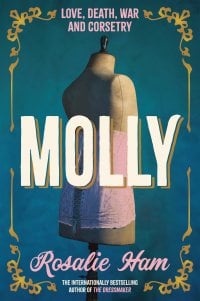
Late in Molly, author Rosalie Ham introduces the Japanese concept of mottainai, “regret for something good when it is not fully utilised”. Mottainai could be said to be the theme of this compelling, enjoyable novel about the frustration and waste of talent by a society that is constricted by its prejudices. For all the infuriating misery of this, as fans of Ham’s writing would expect, this novel is also smoulderingly, sometimes eruptively hilarious, with needle-sharp social satire and observation of human foible.
Molly: A Prequel to the Dressmaker reveals the backstory of “Mad Molly”, the mother of that first novel’s feisty protagonist “Tilly” Dunnage. When we meet Molly, she is in her mid 20s. While she’s often angry, Molly is far from mad.
Each week she sallies forth with her formidable Aunt April from their squalid corner of Carlton to mid-town Melbourne to attend demonstrations for women’s rights. Just as regularly, April’s brother and Molly’s widowed father, August, an unflagging ally, cheerfully collects them from jail. It’s interesting times. Society is polarised between those waving banners for women’s emancipation and those pelting them with rotting vegetables in the name of Christian values – a bit like today’s social media landscape. Meanwhile, World War I is brewing in distant Europe.
Molly’s small family lives in poverty on her wages from punishing work in a corset factory and the sales of August’s hand-painted pottery. They also live on hope: that women will gain the vote, that male biochemists will stop claiming April’s work as their own and that Molly will one day have a thriving business selling undergarments of her own design, modern corsets offering modern women both comfort and freedom of movement.
For now they must contend with threats from a gallery of colourful rogues and villains that would make Dickens proud, from their priggish neighbour Mrs Sidebottom to the sadistic factory manager “Snakelegs” and the slimy, creepy Evan Pettyman. Friends and allies are few and have a way of disappearing under the most unfair of circumstances. It seems as if the world is conspiring against Molly’s happiness – until suddenly it seems it isn’t. But class and gender turn out to be as constricting as the most punishing old-fashioned corset.
Except for one loose thread concerning some poorly transcribed measurements, this tale, like the modern undergarments it describes in loving detail, is superbly structured, beautifully textured and embroidered with Ham’s exquisite and deliciously gothic imagination.
Pan Macmillan, 400pp, $34.99
This article was first published in the print edition of The Saturday Paper on November 30, 2024 as "Molly".
For almost a decade, The Saturday Paper has published Australia’s leading writers and thinkers. We have pursued stories that are ignored elsewhere, covering them with sensitivity and depth. We have done this on refugee policy, on government integrity, on robo-debt, on aged care, on climate change, on the pandemic.
All our journalism is fiercely independent. It relies on the support of readers. By subscribing to The Saturday Paper, you are ensuring that we can continue to produce essential, issue-defining coverage, to dig out stories that take time, to doggedly hold to account politicians and the political class.
There are very few titles that have the freedom and the space to produce journalism like this. In a country with a concentration of media ownership unlike anything else in the world, it is vitally important. Your subscription helps make it possible.
Purchase this book
Molly
BUY NOW
When you purchase a book through this link, Schwartz Media earns a commission. This commission does not influence our criticism, which is entirely independent.
Subscriber exclusive
Send this article to a friend for free.
Share this subscriber exclusive article with a friend or family member using share credits.